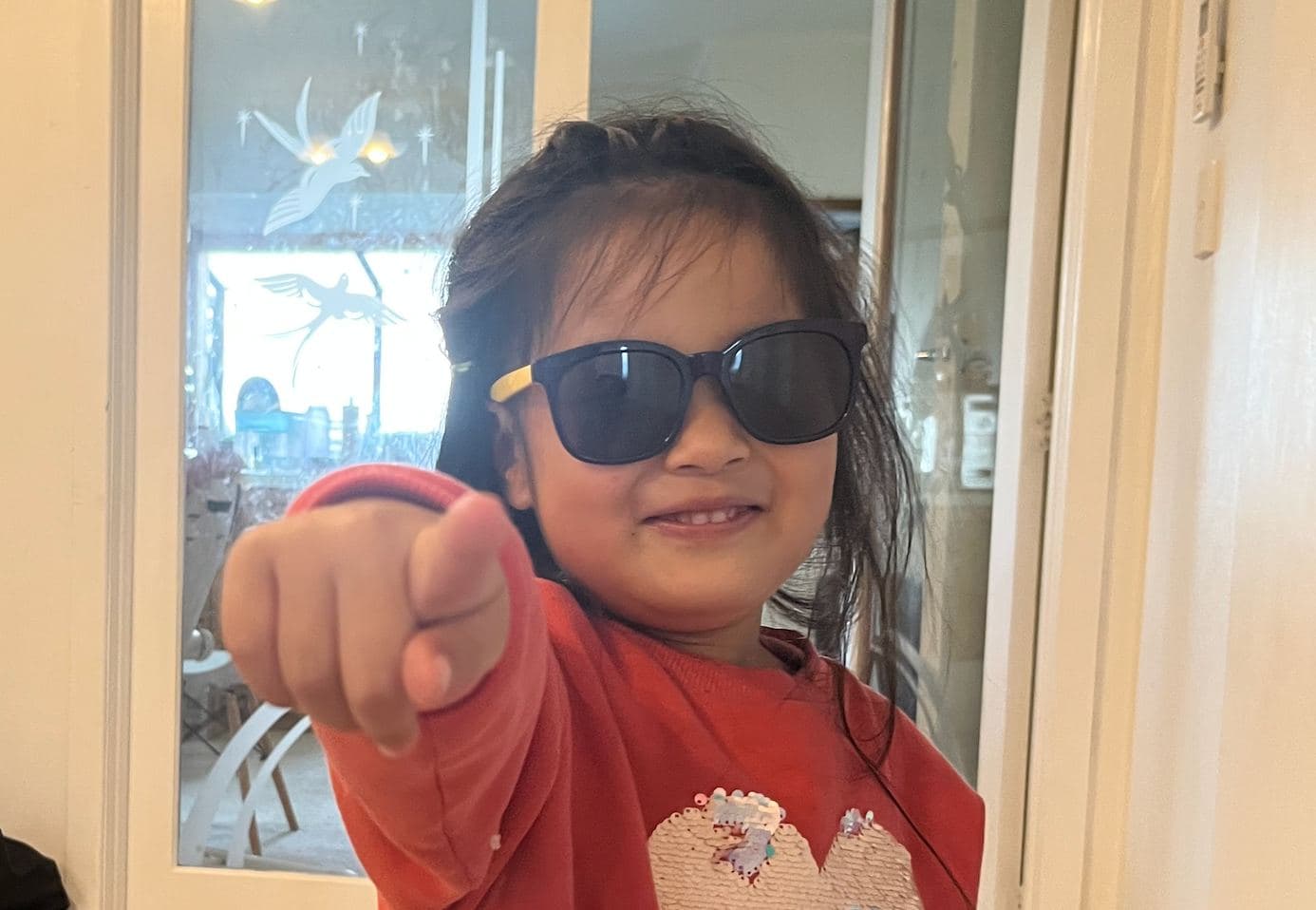
Jin had friends now, and daycare had become a place she mostly enjoyed. But settling into a routine isn't the same as settling into a language.
When Language Felt Unsettling
When my coursework picked up and I needed more hours in the day, we extended her time at the centre — 9 to 4 instead of four hours. She didn't say much about it, but we could tell. The lightness was gone — nervous, missing, and everything.
At home, when it came to bedtime reading, whenever I picked up an English book she'd say, "Mum, read it in Korean." Or she'd simply walk past the shelf and come back with a Korean picture book. English for daycare, Korean for real life — the little girl's rule was very clear.
She loved Sundays more than any other day. We went to a Korean church, so basically it was the only place in this new country that sounded like home.
Her Unique Way to Speak
Somewhere along the way, she came up with a brilliant idea. She'd hear the adults around her — at church, at gatherings — switching effortlessly between Korean and English, and she wanted in. She didn't have the English to do it, so she just made some up.
She'd string together sounds that felt like English — the rhythm, the intonation, the rise and fall — without any actual words. It was convincing enough to make you do a double-take. We called it Jinnish 😂 It was funny and adorable, and she seemed pleased with herself whenever she did it. But underneath the performance, we sensed she might be trying to belong to something she couldn't yet reach.
A Quiet Decision Made
By October, I'd finished my first year of study. And we made a quiet decision: we pulled her out of daycare. She was happy there, she had friends, she was learning—but once school started, her days would run from nine to three alongside her sisters. These last few months before school were the only stretch of time that could belong entirely to her.
We wanted to fill it well.
Read More: Being the Only One
한국어 요약
Jin에게는 이제 친구가 있었고 데이케어도 대체로 즐거운 곳이 됐다. 하지만 생활에 적응하는 것과 언어에 적응하는 것은 다른 일이었다. 내 수업이 바빠지면서 Jin의 센터 시간을 네 시간에서 아침 9시부터 오후 4시까지로 늘렸다. Jin은 별말이 없었지만 우리는 알 수 있었다. 가벼움이 사라져 있었다.
집에서 잠자리 책을 읽을 때 내가 영어책을 집으면 Jin은 "엄마, 한국어로 읽어 줘" 하거나 서가를 지나쳐 한국어 그림책을 들고 왔다. 데이케어에서는 영어, 진짜 생활은 한국어. 아이의 규칙은 분명했다. 한국어 교회에 가는 일요일을 가장 좋아했는데, 이 새 나라에서 집처럼 들리는 거의 유일한 곳이었다. 그러다 Jin은 기발한 방법을 찾아냈다. 어른들이 한국어와 영어를 오가는 걸 듣고, 영어처럼 들리는 리듬과 억양만으로 말을 지어낸 것이다. 우리는 그걸 Jinnish라고 불렀다. 우스웠고 사랑스러웠지만, 그 밑에는 아직 닿지 못한 무언가에 속하고 싶은 마음이 있는 것 같았다.
10월, 내 첫해 공부가 끝났다. 그리고 조용히 결정했다. 데이케어를 그만두기로. Jin은 그곳에서 행복했고 친구도 있었고 배우고 있었다. 하지만 학교가 시작되면 언니들처럼 아홉 시부터 세 시까지 학교에 있게 된다. 입학 전 이 몇 달은 온전히 Jin만의 것이 될 수 있는 유일한 시간이었다. 그 시간을 잘 채우고 싶었다.

Yussi
Writer · Social work student, Massey University
A mother of three girls and a Korean immigrant making Mairangi Bay home — writing about starting school, home learning and everyday life on Auckland's North Shore.
More about Yussi →Frequently asked questions
- Why would you take a child out of daycare before starting school?
- Jin was happy at daycare and had friends, but once school started her days would run from nine to three alongside her sisters. The last few months before school were the only stretch of time that could belong entirely to her, and we wanted to fill it well.
- Is it normal for a bilingual child to refuse to be read to in English?
- For Jin it was her way of keeping a clear rule: English for daycare, Korean for real life. At bedtime, whenever I picked up an English book, she'd ask me to read it in Korean or come back with a Korean picture book instead.
- Why does my child make up words that only sound like English?
- Jin did this after hearing adults switch between Korean and English — she strung together sounds with the rhythm and rise and fall of English, without any actual words. We called it Jinnish. Underneath the fun, we sensed she was trying to belong to something she couldn't yet reach.
Join the conversation
Comments
Loading comments...
From our family · StoryPress
Every child has a story. Let them write it.
A five-year-old's daily sentence, growing word by word.
Join the Waitlist →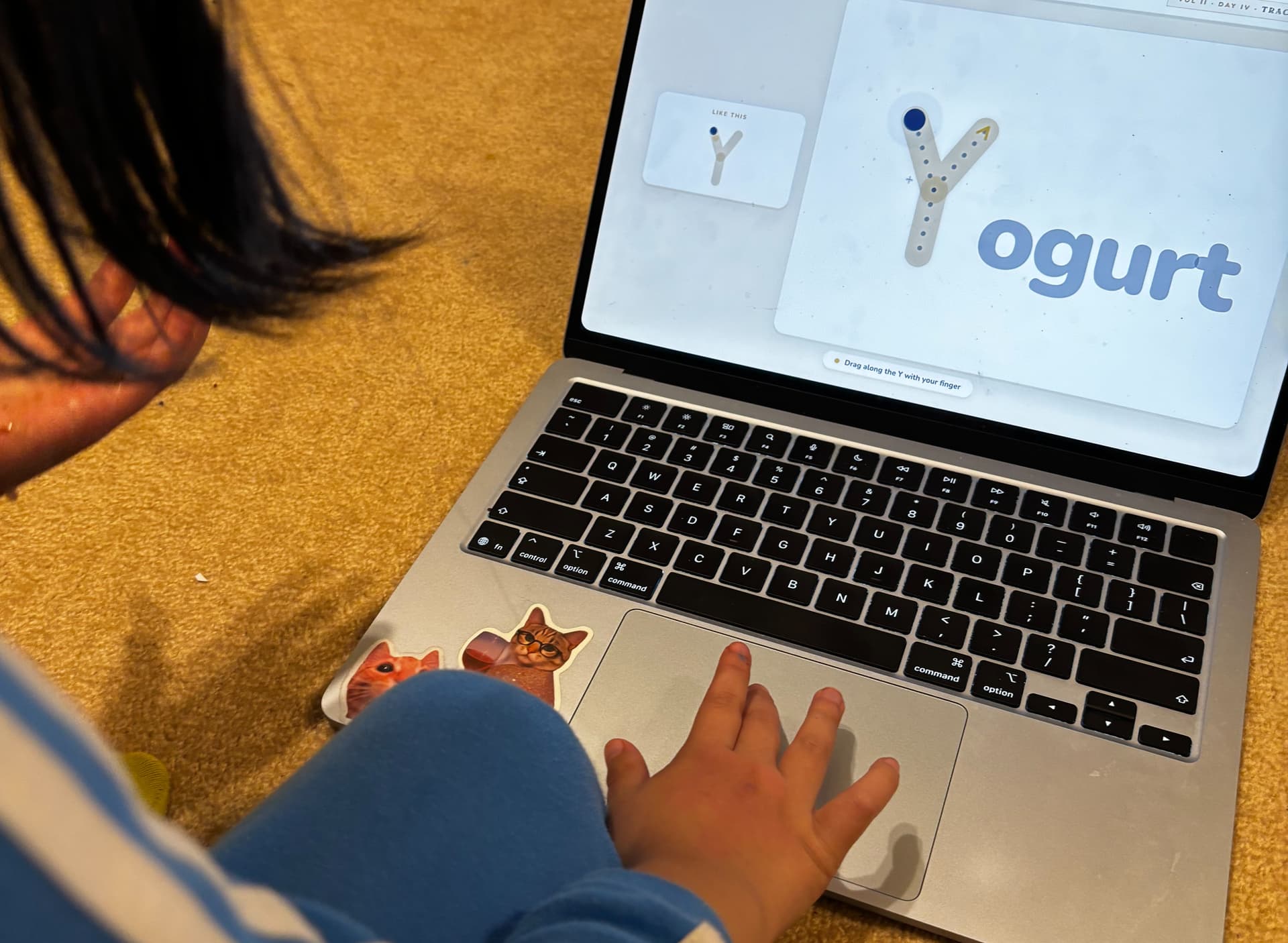
![[Y1] 100 Days of School](/_next/image?url=https%3A%2F%2Fvpayqdatpqajsmalpfmq.supabase.co%2Fstorage%2Fv1%2Fobject%2Fpublic%2Fimages%2Fblogs%2F1784846003918.jpg&w=1920&q=75)